Invasive Species Control involves the management and eradication of non-native species that threaten local ecosystems. These species can aggressively compete with native flora and fauna, leading to reduced biodiversity, altered habitats, and disrupted ecological functions. Effective control strategies are critical to maintaining the health and sustainability of ecosystems, particularly in areas of ecological importance or sensitive habitats.
How Does It Work?
Identification and Assessment
The first step in invasive species control is to accurately identify the invasive species present on the property. This involves a detailed site assessment to determine the extent of the invasion, the species involved, and the ecological impacts they are causing. This phase often includes consulting with local wildlife experts or using regional databases of invasive species.
Strategy Development
Based on the assessment, a targeted control strategy is developed. This strategy may involve one or a combination of mechanical, chemical, and biological control methods, depending on the specific species and the environmental context. The plan will outline methods for removal, tools and resources required, and the timeline for execution.
Implementation of Control Measures
This includes mechanical control (cutting, mowing), chemical control (herbicides), and biological control (natural predators).
- •Mechanical Control: This includes manual removal techniques such as cutting, mowing, or pulling of invasive plants. For larger areas or more resilient species, machinery like mowers or excavators might be used.
- •Chemical Control: The application of herbicides or pesticides specifically formulated to target invasive species while minimizing impact on native species. Chemical treatments are carefully planned to avoid contamination of water sources and non-target areas.
- •Biological Control: Introducing natural predators or diseases that specifically target the invasive species can be an effective long-term control strategy. This method requires thorough research and often regulatory approval to ensure that it does not inadvertently harm the ecosystem.
Monitoring and Maintenance
After the initial removal or treatment, ongoing monitoring is essential to detect any reoccurrence of the invasive species. Follow-up treatments or adjustments to the control methods may be necessary to ensure complete eradication or control.
Restoration of Native Species
Once invasive species are controlled or removed, restoring native vegetation is often necessary to support ecosystem recovery and prevent re-invasion. This may involve reseeding or replanting native species and ongoing management to support their growth.
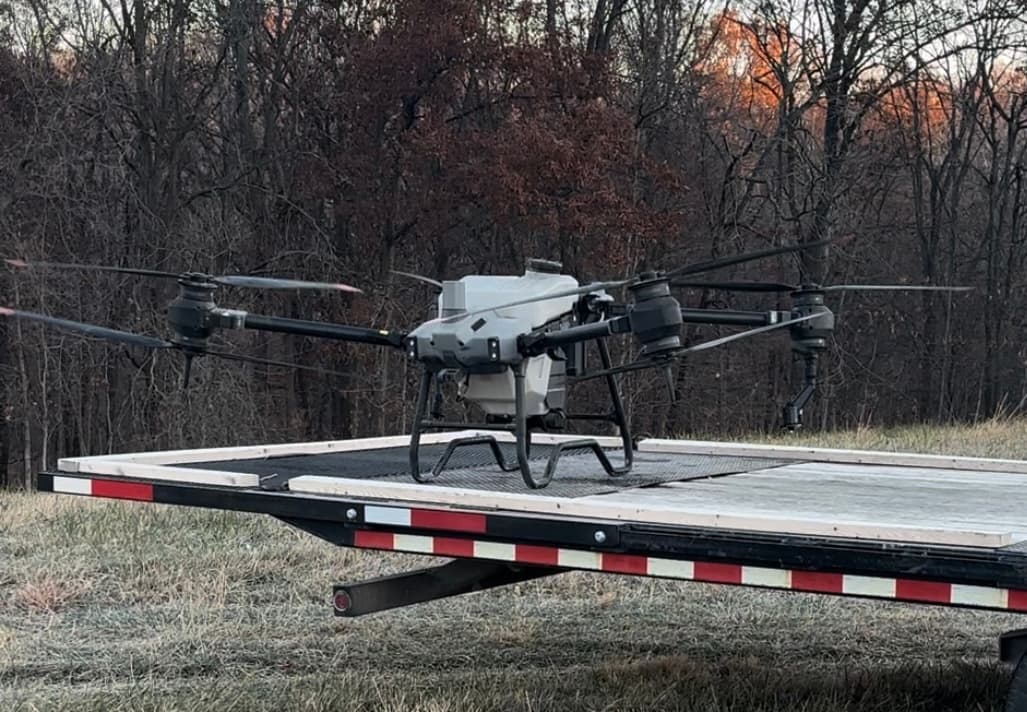
Invasive Species Control... with Drones!
Drones are revolutionizing chemical control of invasive species, offering a precision-focused approach that reduces environmental impact. Equipped with advanced GPS and sensors, drones can accurately apply herbicides or pesticides to specific targets. This technology is particularly beneficial for accessing challenging terrains or remote areas where traditional ground crews would struggle. In addition to precision, drones provide an efficient and cost-effective method for invasive species control, covering large areas quickly. Moreover, they often come with data collection capabilities, allowing for real-time monitoring and assessment of treatment effectiveness.
Benefits
Protect Native Biodiversity: Invasive species can outcompete, displace, or even eliminate native species, leading to a loss of biodiversity and the degradation of ecosystems.
Maintain Ecosystem Services: Healthy ecosystems provide critical services such as pollination, water filtration, and climate regulation. Controlling invasive species helps preserve these functions.
Economic Impact: Invasive species can negatively impact agricultural productivity, forestry operations, and property values. Effective control helps mitigate these economic risks.
Regulatory Compliance: In some areas, landowners are legally required to manage invasive species on their property to prevent spread to neighboring lands.
Interested in invasive species control?
Get in touch today to discuss your forestry and land management needs.
Get in TouchOther Services
Forest Stewardship Plans
Comprehensive management strategies designed to guide landowners in achieving their objectives while ensuring ecological sustainability.
View detailsTree Planting
Professional tree planting services for reforestation, habitat restoration, and timber production.
View detailsWildlife Enhancement
Strategic interventions to improve habitat conditions for specific wildlife species and increase biodiversity.
View details