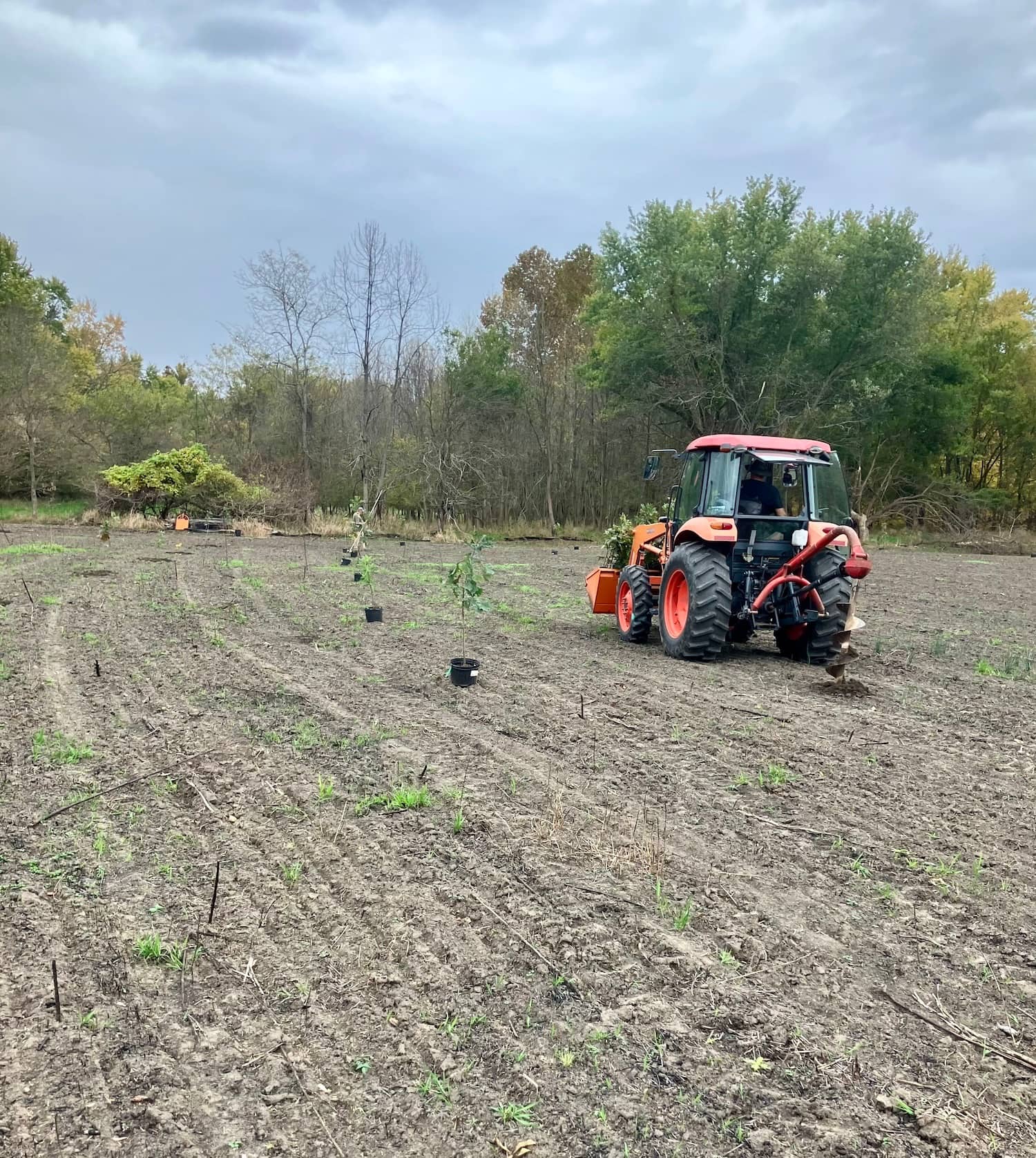
Tree planting refers to the process of transplanting tree seedlings to restore, enhance, or create woodland and forest areas. This essential service is not only about beautifying landscapes but also plays a crucial role in habitat restoration, improving biodiversity, and contributing to the overall ecological health of an area. Tree planting can be done for various purposes, including timber production, erosion control, restoration of native species, and enhancement of wildlife habitat.
How Does It Work?
Site Assessment and Planning
The initial step involves a detailed assessment of the site where trees are to be planted. This includes analyzing soil type, climate conditions, existing vegetation, and the specific environmental needs of the area. The forestry consultant evaluates these factors to determine the best species to plant, the optimal planting layout, and the right time of year for planting.
Selection of Tree Species
Based on the assessment, specific tree species are selected to meet the landowner's goals and the ecological requirements of the area. The choice of species is critical and takes into account factors such as growth rate, suitability to local conditions, resistance to pests and diseases, and the ecological benefits provided.
Preparation of the Planting Site
This step may involve clearing competing vegetation, improving soil conditions, and ensuring proper drainage and soil moisture levels. Preparation is tailored to ensure the best possible start for the new trees, promoting healthy growth.
Tree Planting
The actual planting of trees is done methodically and carefully to ensure high survival rates. Techniques vary depending on the terrain, type of tree, and specific environmental conditions. Planting can be done manually or mechanized, depending on the scale of the project.
Post-Planting Care and Maintenance
After planting, trees need care and maintenance, especially during the critical early stages of growth. This includes watering, mulching, protection from pests and diseases, and possibly thinning or pruning as the trees grow.
Monitoring and Management
Regular monitoring helps assess the health and growth of the planted trees and the success of the planting project. Adjustments in care and management practices are made as necessary to ensure the long-term success of the plantation.
Tree Planting with a Mechanical Tree Planter
Mechanical tree planters offer a streamlined approach to tree planting, ensuring uniform spacing and depth for each seedling. Their straightforward design enables rapid coverage of large areas, reducing the time and labor needed for planting. Whether on flat terrain or rugged landscapes, mechanical tree planters provide a reliable solution for reforestation efforts. By simplifying the planting process and promoting the establishment of healthy forests, these planters contribute to environmental sustainability and ecosystem restoration.
Benefits
Environmental Conservation: Tree planting helps in restoring degraded areas, conserving soil, managing water runoff, and contributing to carbon sequestration efforts.
Economic Benefits: Properly managed forests from tree planting can provide significant economic returns through timber production, non-timber products, and enhanced land values.
Habitat Improvement: Strategically planted trees create and enhance habitats for various wildlife species, supporting biodiversity and ecosystem balance.
Aesthetic and Recreational Value: A well-planned tree plantation can enhance the aesthetic value of a landscape, making it suitable for recreational activities.
Compliance with Environmental Policies: In some regions, tree planting is part of regulatory requirements for environmental conservation, particularly in development projects or in sectors that impact natural resources.
Interested in tree planting?
Get in touch today to discuss your forestry and land management needs.
Get in TouchOther Services
Forest Stewardship Plans
Comprehensive management strategies designed to guide landowners in achieving their objectives while ensuring ecological sustainability.
View detailsWildlife Enhancement
Strategic interventions to improve habitat conditions for specific wildlife species and increase biodiversity.
View detailsFood Plots & CRP Seeding
Food plots for wildlife and CRP seeding services including cool season grasses, waterways, native grasses, and pollinator programs.
View details