Forest Resources Inc.
FOREST RESOURCES INCTimber & Land Management
Wildlife Enhancement
All Services

Wildlife Enhancement

What is Wildlife Enhancement?

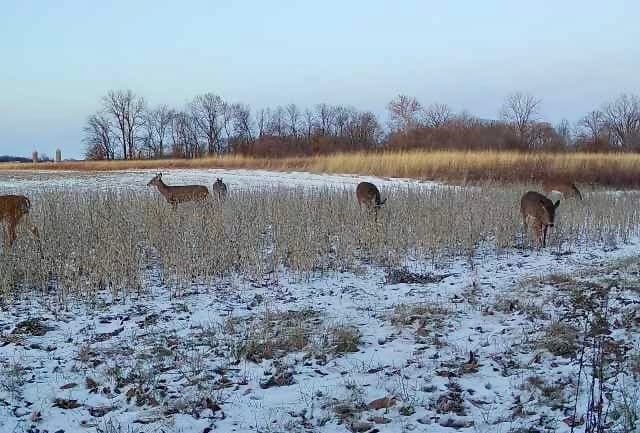
Wildlife Enhancement involves strategic interventions aimed at improving habitat conditions for specific wildlife species, increasing biodiversity, and enhancing the overall ecological balance of an area. This service is essential for landowners interested in wildlife conservation, hunting, photography, or simply increasing the natural value of their land. Enhancements can include the creation of food plots, installation of nesting structures, controlled burns to improve habitat quality, and the restoration of natural water sources.

How Does It Work?

1

Wildlife Assessment

The process begins with a thorough wildlife assessment to identify the current species present, their habitat needs, and the potential for biodiversity improvement. This assessment includes evaluating the land's existing conditions, such as vegetation types, water sources, and terrain features.

2

Goal Setting

In consultation with the landowner, the forestry consultant helps set clear and achievable wildlife enhancement goals. These goals are based on the landowner's interests (such as attracting certain game species or promoting native flora and fauna) and the ecological needs of the area.

3

Designing the Enhancement Plan

Based on the assessment and goals, the consultant designs a detailed enhancement plan. This plan may include:

  • Habitat Modification: Adjusting forest canopy through selective thinning to promote undergrowth, creating brush piles for small mammal and bird habitat, or restoring wetlands to support amphibian and aquatic species.
  • Food Plots: Establishing or improving food plots to attract and sustain wildlife, particularly game species. This involves selecting the right mix of crops or natural vegetation that benefits the target species.
  • Water Management: Enhancing existing water sources or creating new ones to support wildlife, such as ponds, streams, or waterholes.
  • Installation of Nesting and Roosting Structures: Placing structures like birdhouses, bat boxes, and platforms to support breeding and roosting for various species.
4

Implementation

The consultant coordinates the implementation of the enhancement plan, ensuring that all activities are carried out with minimal disturbance to the land and existing wildlife. This might involve working with other wildlife experts or ecological contractors.

5

Monitoring and Adjustments

After implementation, ongoing monitoring is essential to evaluate the effectiveness of the enhancement measures. The consultant regularly checks on the progress, assessing wildlife usage of the new habitats and making adjustments to the plan as needed.

Benefits

Biodiversity Conservation: Enhances the ecological diversity of the area by providing habitats that support a wide range of wildlife species.

Recreational Opportunities: Improves the quality of hunting, bird-watching, and wildlife photography opportunities, adding recreational value to the property.

Environmental Stewardship: Demonstrates a commitment to environmental stewardship and responsible land management.

Regulatory Compliance and Funding: In some cases, enhancing wildlife habitats can help meet environmental regulations and qualify for government grants or subsidies.

Long-term Land Value: By enhancing the ecological health of the land, these services can also increase its long-term value and appeal.

Interested in wildlife enhancement?

Get in touch today to discuss your forestry and land management needs.

Get in Touch