Forest Resources Inc.
FOREST RESOURCES INCTimber & Land Management
Forest Stand Improvement
All Services

Forest Stand Improvement

What is Forest Stand Improvement?

Forest Stand Improvement (FSI), also known as Timber Stand Improvement (TSI), involves selectively removing trees from a forest to improve the health, growth rate, and quality of the remaining trees. This management practice is essential for enhancing timber value, reducing competition for resources (such as light, water, and nutrients), preventing disease spread, and increasing biodiversity by creating a more varied structure within the forest.

How Does It Work?

1

Assessment of Forest Condition

The process begins with a detailed evaluation of the forest stand. This assessment includes analyzing the density, health, species composition, and age distribution of the trees. The consultant identifies which trees are underperforming or diseased and determines how thinning can best improve the stand.

2

Planning and Goal Setting

Working closely with the landowner, the consultant sets specific goals for the thinning operation. These goals may include improving timber quality for future harvests, enhancing wildlife habitat, reducing wildfire risk, or increasing overall forest health and resilience.

3

Development of a Thinning Plan

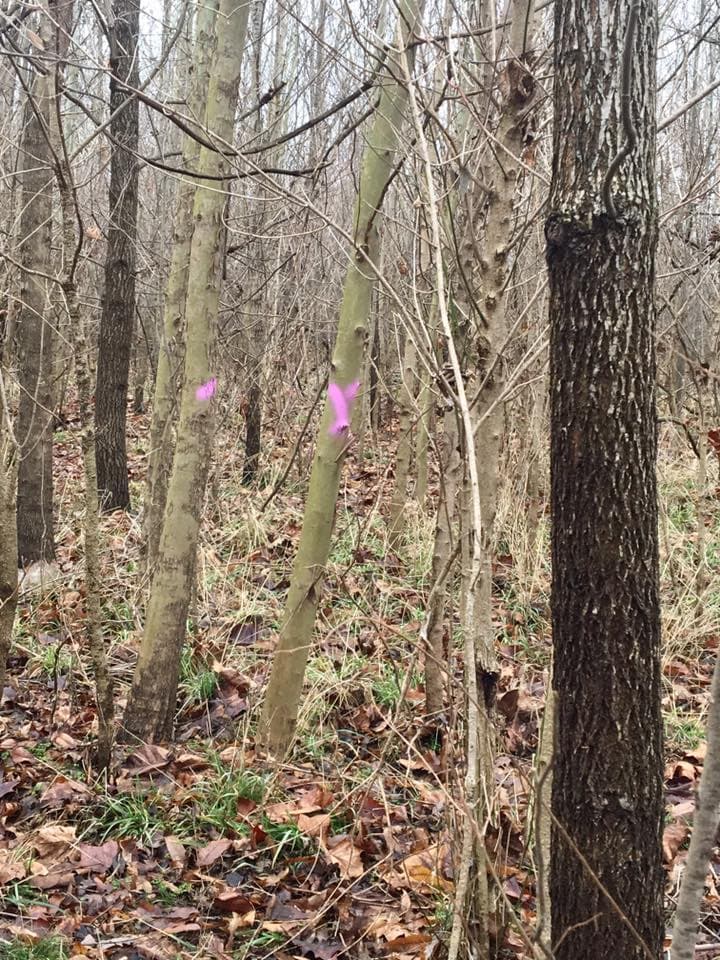
Based on the assessment and goals, a thinning plan is drafted. This plan specifies which trees should be removed (marked for thinning) and the method of thinning to be used. Thinning methods vary depending on the forest type and include options such as selective thinning, row thinning, or crown thinning.

4

Implementation of Thinning Operations

The thinning operation is carried out under the guidance of the forestry consultant, ensuring that the work is done according to the plan and with minimal impact on the environment. This phase often involves the use of professional loggers or forestry workers trained in low-impact thinning techniques.

5

Monitoring and Post-Thinning Management

After thinning, the forest stand is monitored to assess the effects of the intervention on forest health and growth. The consultant may recommend additional management practices such as pest management, fertilization, or further thinning in the future to continue improving the stand's condition.

Thinning Trees

Selectively removing trees creates space for remaining trees to thrive and promotes species diversity. Thinning improves timber quality by encouraging the growth of larger, more valuable trees with straighter stems and fewer defects. Overall, forest stand improvement supports sustainable forest management practices, ensuring the long-term health and productivity of forest ecosystems for both wildlife and timber production.

Benefits

Enhanced Tree Health and Growth: Thinning reduces competition, allowing remaining trees more access to sunlight, water, and nutrients, which improves their growth and vitality.

Increased Timber Value: By focusing resources on the best-quality trees and removing inferior specimens, thinning can significantly increase the economic value of future timber harvests.

Reduced Risk of Disease and Pests: Overcrowded stands are more susceptible to disease and pest infestations. Thinning helps to reduce these risks by improving air circulation and reducing humidity within the stand.

Improved Wildlife Habitat: Thinning can create a more diverse habitat with varying tree sizes and species, which is beneficial for wildlife.

Fire Risk Mitigation: By removing excess biomass, thinning reduces fuel loads in the forest, thereby decreasing the intensity and spread of wildfires.

Interested in forest stand improvement?

Get in touch today to discuss your forestry and land management needs.

Get in Touch