CRP Management
Miss the mid-contract management and you can lose the payments. We keep the calendar.
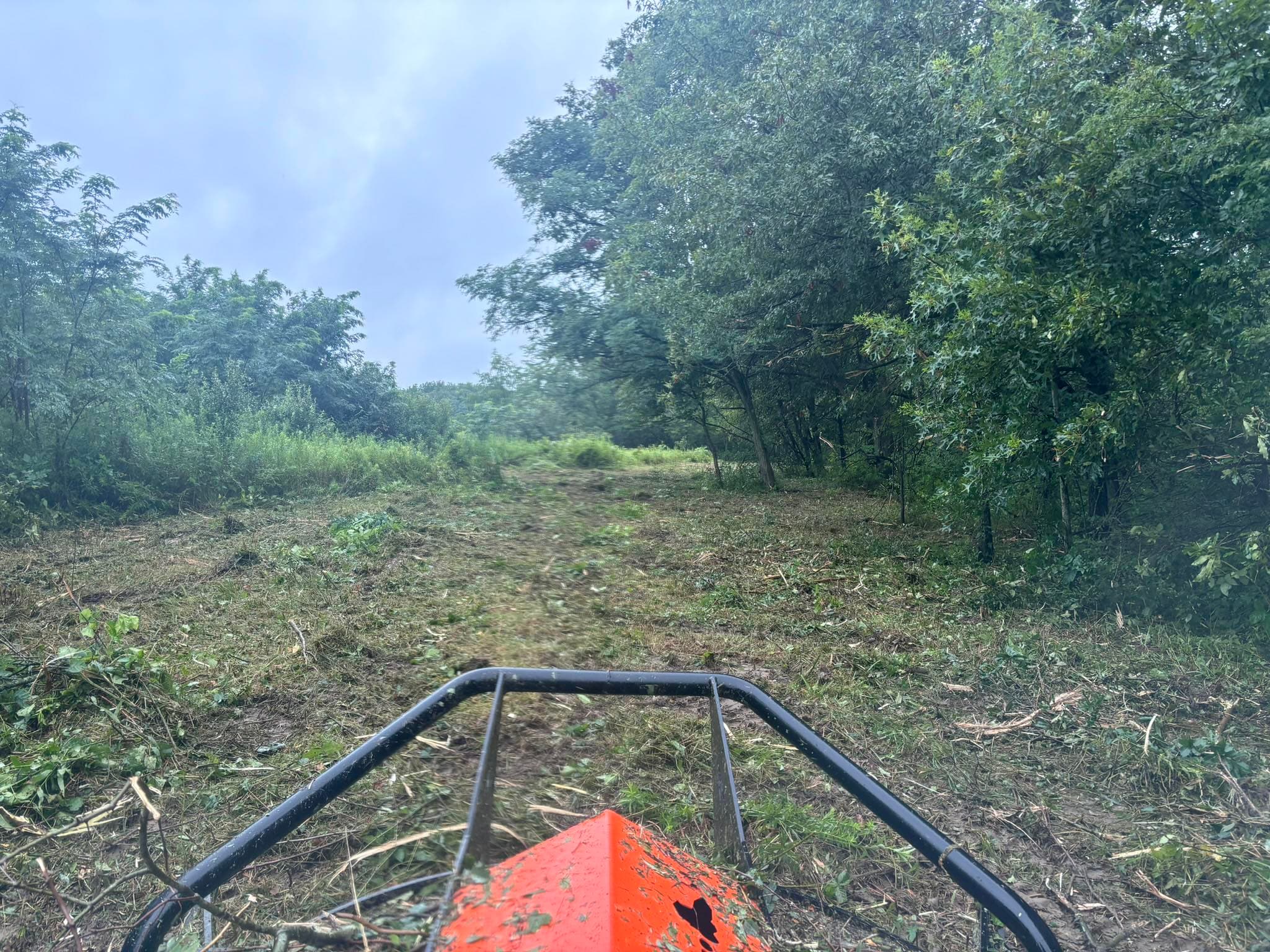
CRP mowing, clearing, and spraying are the management practices that maintain and improve land enrolled in the Conservation Reserve Program. They're what make sure the environmental benefit actually happens — controlling invasives, promoting desirable vegetation, and keeping habitat healthy — and what keeps you compliant with the FSA.
How it goes
A review of your specific CRP contract: required practices, frequency, and the timing that keeps you compliant and meets the conservation goals.
Current conditions, invasive presence, status of desirable vegetation, and any problem areas like erosion or pest pressure.
Timed to CRP guidelines — which protect nesting birds — to reduce woody vegetation, control invasives, and manage grass height and density.
Removing unwanted trees, shrubs, and debris that crowd out beneficial plants or close in the open ground certain species need.
Targeted at invasives and problem pests while minimizing impact on everything else, applied to best practice and program rules.
Checking the results and adjusting the practices to better meet the goals and requirements.
Why bother
Compliance protects annual rental payments and cost-share. Non-compliance can cost you both.
Maintains soil conservation, water quality, and habitat — the point of the program.
Active management stops invasives from outcompeting natives and altering habitat.
Regular mowing, clearing, and controlled spraying encourage a wider mix of species.
Free walk-through of your property. You'll know more when we leave than when we got there.
Ask about thisReady to talk about your land?
Free consultation. No pressure, no upselling, no jargon.